
What Is Dental Bonding? Everything You Need to Know
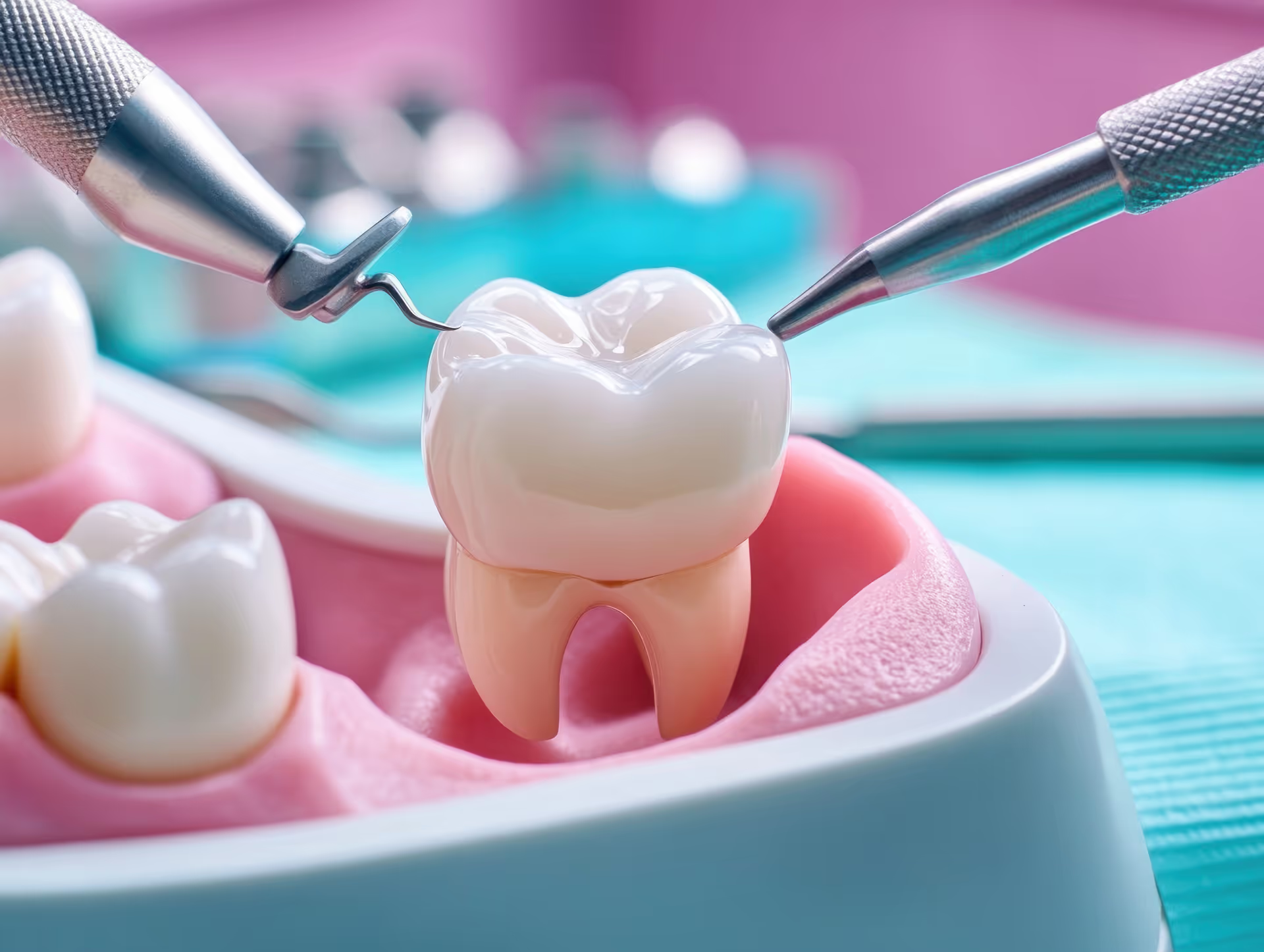
Dental bonding is a cosmetic procedure in which a tooth-colored composite resin is applied to a tooth, shaped, and hardened with a curing light to repair or improve its appearance. It's used to fix chips, close small gaps, cover stains, reshape uneven teeth, and protect exposed roots from gum recession. Bonding is one of the fastest and most affordable cosmetic dental treatments — most cases are completed in a single visit, require little to no removal of natural enamel, and need no anesthesia unless bonding is being used to fill a cavity.
Why This Guide Exists
"What is dental bonding?" is one of the most common cosmetic-dentistry questions we hear — and one of the most misunderstood. Patients often aren't sure what bonding can fix, how long it lasts, or how it stacks up against veneers.
At Advanced Dental in Berlin, CT, Dr. Mike Maroon and Dr. Jadee Abbott use dental bonding to solve a wide range of cosmetic and minor restorative issues. This guide explains exactly what bonding is, what it fixes, how long it lasts, and when it's the right choice — so you can walk into a consultation knowing your options.
What Dental Bonding Can Fix
- Chipped or cracked teeth. A small chip can be rebuilt in minutes with composite resin.
- Small gaps between teeth. Bonding can close minor spaces without orthodontics.
- Stains and discoloration. Resin covers stubborn stains that whitening can't lift.
- Uneven or misshapen teeth. Bonding reshapes teeth for a more uniform smile.
- Exposed roots from gum recession. Bonding can cover and protect sensitive root surfaces.
How the Bonding Process Works
- Preparation. The tooth surface is lightly roughened and a conditioning gel applied so the resin bonds securely. Usually no anesthesia needed.
- Application. Tooth-colored resin is applied and shaped to match your natural tooth.
- Curing. A special light hardens the resin in seconds.
- Polishing. The bonded tooth is smoothed and polished to blend in seamlessly.
Most bonding is finished in one visit, often in 30 to 60 minutes per tooth.
How Long Does Dental Bonding Last?
With good care, dental bonding typically lasts 3 to 10 years before needing a touch-up, depending on which tooth was treated and your habits. Bonding resin isn't as stain-resistant or durable as porcelain, so avoiding excessive coffee, tobacco, and nail-biting helps it last. When bonding eventually wears, it's easily repaired or replaced.
Bonding vs. Veneers: Which Is Right for You?
Bonding may be best if:
- You want an affordable, single-visit fix for a chip, gap, or minor flaw.
- You'd rather preserve your natural enamel — bonding removes little to none.
Veneers may be best if:
- You want a longer-lasting, stain-resistant result across multiple teeth.
- You're after a complete smile makeover rather than a single-tooth repair.
Many patients weigh both. If you're leaning toward a fuller transformation, our guide to porcelain veneers explains that option in depth. Not sure which fits? A quick cosmetic consultation settles it.
Serving Berlin, Cromwell & Central CT
Advanced Dental offers dental bonding at our Berlin office and our Cromwell location, serving patients throughout central Connecticut. If a chip, gap, or stain has been bothering you, bonding may fix it in a single visit.
Ready to Improve Your Smile?
Request an appointment | Berlin: (860) 828-3933 | Cromwell: (860) 894-2933
Schedule your appointment today!